Winter Airport Transfers in Minnesota: Why You Shouldn't Drive Yourself
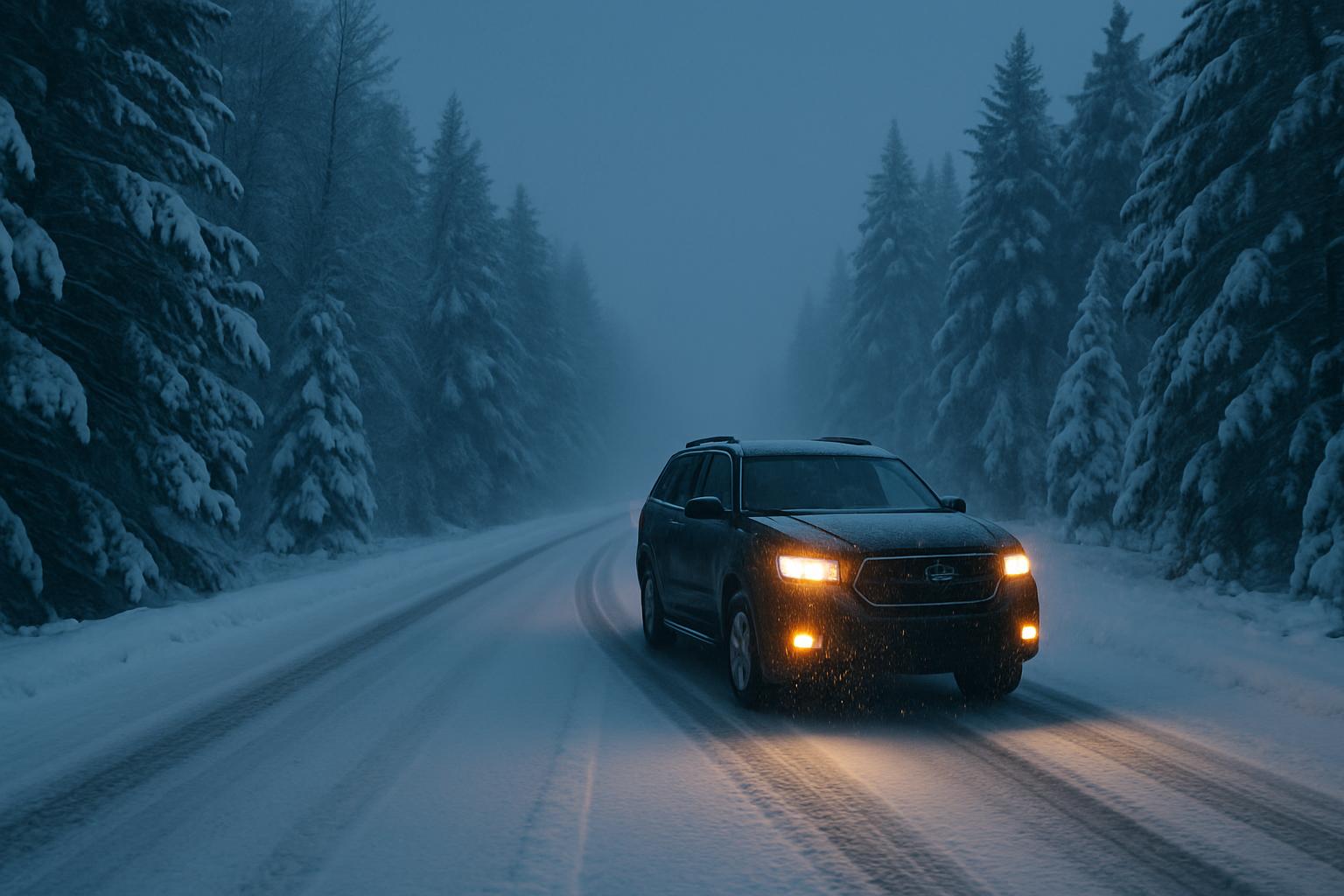
TL;DR: Winter airport transfers in Minnesota require planning for snow, ice, and extreme cold. A professional car service with experienced drivers, winter-ready vehicles, and flight tracking eliminates the risk of driving yourself in dangerous conditions.
Between November and March, getting to MSP is a different sport.
You know this if you've lived here. But knowing it and planning for it are two different things. Every winter, people drive themselves to the airport in conditions they shouldn't be driving in, park in a ramp for a week, and come back to a car that won't start.
Here's the honest case for not driving yourself during a Minnesota winter.
The Drive
US-52, I-35E, I-35W, I-494 - pick your route to MSP. In July, they're all fine. In February, any one of them can go from clear to whiteout in 20 minutes.
The problem isn't usually the highway itself. MnDOT is aggressive about plowing. The problem is the other drivers, the visibility drops during heavy snow, and the black ice that forms after temps swing from 30s during the day to single digits overnight.
A few scenarios that happen every winter:
- Freezing rain on I-494. The stretch between I-35W and Hwy 77 is exposed and ices over fast. MnDOT closes it regularly for weekend construction, and in winter, weather closures compound the detours.
- Multi-car pileups on 35W. One driver brakes too hard on a bridge deck, and suddenly 12 cars are sideways. You're now sitting in traffic watching your departure time approach.
- Visibility on US-52. South of the metro, 52 cuts through open farmland. When the wind picks up, ground blizzards can drop visibility below a quarter mile even when it's not actively snowing.
None of this is unusual. It's just winter here. The question is whether you want to be driving through it at 4 AM to catch a 6 AM flight.
The Parking Problem
Your car sits in a ramp at MSP for 5 days in January. A few things that can happen:
Dead battery. Cold kills car batteries. A battery that's three years old and works fine in September might not turn over after sitting in a ramp at -10 for a week. You land at 10 PM after a long trip, walk to your car, and it's dead. Now you're calling AAA from Level 4 of the Green Ramp.
Snow and ice buildup. Covered ramps protect against the worst of it, but open-air value lots don't. You come back to 6 inches of snow and a layer of ice on your windshield. You're scraping your car in a parking lot at 11 PM in dress shoes.
Frozen locks and doors. Less common with newer cars, but ice buildup around door seals is still a thing. Especially if temps cycle above and below freezing while you're gone - the melt-freeze cycle seals doors shut.
None of these are catastrophic. They're just the kind of thing that turns a long travel day into a miserable one.
The Time Buffer Problem
In summer, Rosemount to MSP is 20 minutes. You leave 2 hours before your flight, you're fine.
In winter, that same 20-minute drive might take 45 minutes. Or an hour. Or the highway might be closed entirely.
So you leave 2.5 hours before your flight. Maybe 3 to be safe. That's an extra 30-60 minutes of your morning gone, spent white-knuckling through slush on 35E.
With a car service, the driver builds in the winter buffer. They know the roads. They check conditions before they leave. They leave early enough that a slow drive doesn't become a missed flight. And you're in the back seat, not gripping a steering wheel.
Uber and Lyft in Winter
Uber and Lyft work in winter - mostly. The issue is supply. When a snowstorm hits, driver supply drops because fewer people want to be on the road. Demand spikes because more people need rides. Classic surge pricing scenario.
A 4:30 AM Uber to MSP during a winter storm in the suburbs can surge to 2-3x. If a driver even accepts the ride. The app might show "looking for drivers" for 15 minutes while your flight time ticks away.
This isn't a knock on Uber drivers. They're making a rational decision - driving in a blizzard isn't worth a $25 fare. But it means you can't rely on the service when you need it most.
What a Winter Car Service Pickup Looks Like
You book a 4 AM pickup for a 6 AM flight. Here's what happens:
- The night before, your driver checks the forecast and road conditions. If a storm is expected, they adjust departure time.
- They arrive at your door at 4 AM. Your bags go in the back. You get in.
- They take whatever route is clearest. If 35E is a mess, they know the alternates. If 494 is closed, they reroute without asking you to navigate.
- You're at your terminal door by 4:30-4:45. TSA, coffee, gate.
When you land back in Minnesota 5 days later, the same thing happens in reverse. No dead battery. No scraping ice. No walking through a parking ramp in the cold. Your driver is at Arrivals when your flight lands.
The Seasonal Math
| Scenario (5-day winter trip) | Cost | Risk |
|---|---|---|
| Drive yourself + daily parking | $100-140 | Dead battery, ice, slow/dangerous drive |
| Value parking + light rail | $80-100 | Waiting for train with luggage in cold |
| Uber Black round trip | $120-200+ (surge) | Availability at 4 AM in storm |
| Car service round trip | $130-190 (flat) | None - confirmed driver, flat rate |
The car service doesn't always win on price. But in winter, it wins on everything else. Reliability, safety, and not having to think about it.
That last part is the real value. You've got a flight to catch, work to do, a family to get home to. Ground transportation in winter shouldn't be another problem to solve. It should just work.
NS Limo operates year-round across Minnesota. Flat-rate pricing, flight tracking, and drivers who know winter roads. Book online or call (320) 223-8146.