Moving to Minnesota? What Nobody Tells You About Getting Around
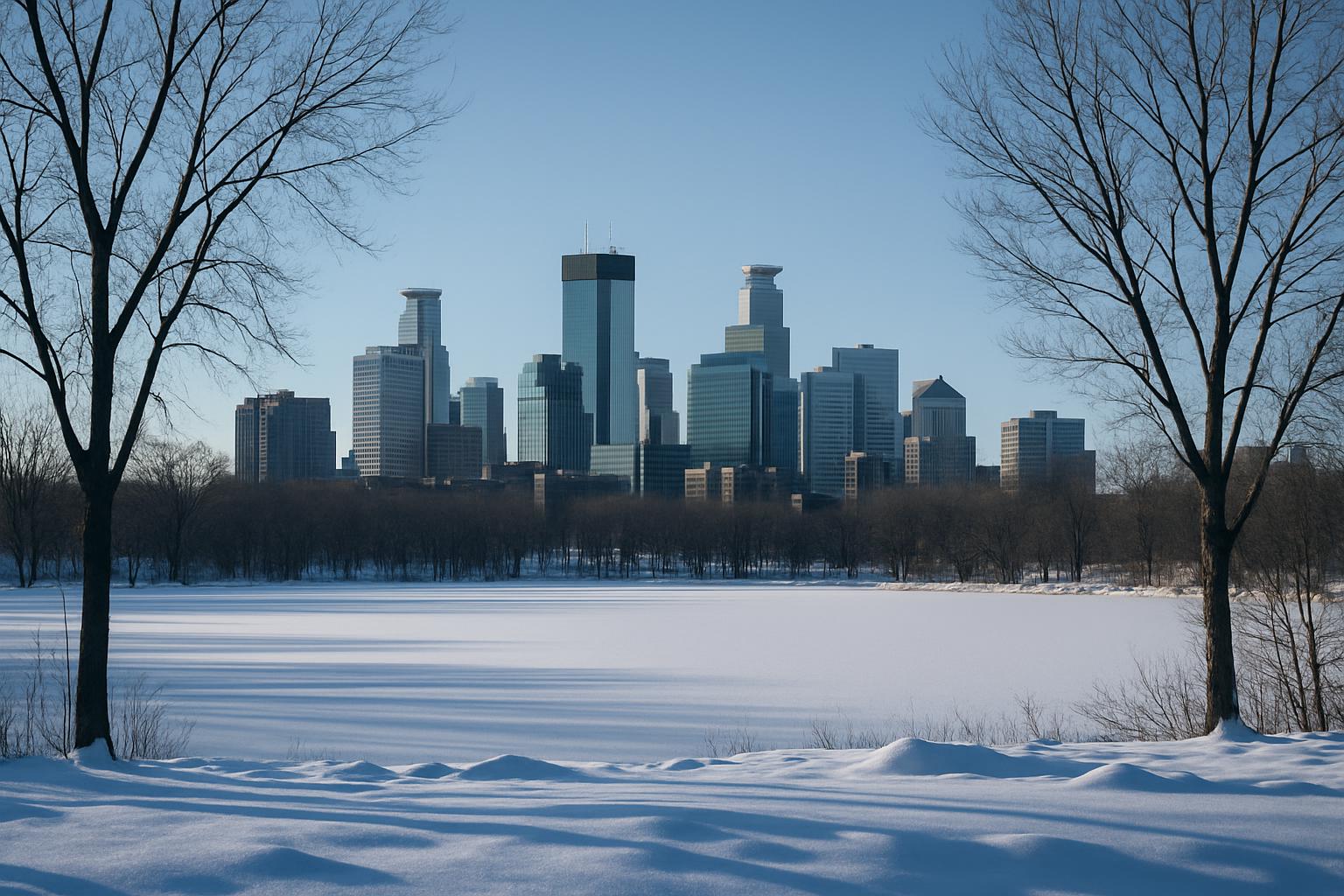
TL;DR: A practical guide to getting around Minnesota for people who just moved here. Covers car dependency, winter driving, rideshare availability by area, the highway system, and the MSP Airport situation.
Welcome. You're going to love it here. You're also going to discover a few things about transportation that nobody mentions in the relocation brochure.
Minnesota is a car-dependent state with pockets of good transit. The Twin Cities metro is sprawling - 3 million people spread across an area the size of Rhode Island. The weather changes how you get around more dramatically than anywhere you've lived unless you're coming from another northern state.
Here's the honest version.
You Need a Car (Mostly)
If you're living in downtown Minneapolis or along the Green Line corridor in St. Paul, you can get by without a car. Barely. The light rail connects downtown Minneapolis, the U of M campus, the Midway, and downtown St. Paul. Bus routes supplement it.
Everywhere else? You need a car. The suburbs don't have walkable infrastructure. Grocery stores, restaurants, kids' schools - everything is a 5-15 minute drive.
Even if you live downtown, you'll want a car for:
- Weekend trips (Duluth, North Shore, Stillwater)
- Winter grocery runs when you don't want to wait for a bus at -15
- Visiting friends in the suburbs (which is most of the metro)
Winter Changes Everything
This is the thing transplants underestimate most.
November through March, driving is a different skill. Black ice, whiteout snow squalls, windchill that makes standing outside for 5 minutes painful. You're not just driving differently - you're planning differently. Routes that take 20 minutes in July take 45 minutes in January.
Your car needs to be ready. All-wheel drive is strongly recommended (not required, but it helps). Snow tires make a bigger difference than most people realize. Keep an emergency kit in your trunk: blanket, flashlight, phone charger, small shovel. This isn't paranoia - it's Minnesota standard.
Parking in winter means planning. Snow emergencies are a real thing. Minneapolis and St. Paul declare snow emergencies after major snowfalls, and you have to move your car off designated routes or it gets towed. The Snow Emergency app (yes, there's an app) tells you where you can and can't park. Learn it before your first storm.
Rideshare Availability Varies Wildly
If you're coming from New York, Chicago, or LA, you're used to Uber being everywhere, anytime. That's not how it works here.
In Minneapolis and St. Paul proper: Uber and Lyft work fine during normal hours. 5-10 minute pickups, reasonable pricing. Late night (after bar close at 2 AM), surge pricing spikes and wait times increase.
In the suburbs: Hit or miss. First-ring suburbs (Edina, St. Louis Park, Bloomington) are usually OK. Second-ring and beyond (Maple Grove, Woodbury, Lakeville, Rosemount) - you might wait 15-20 minutes, and at off-peak hours (early morning, late night) you might not get one at all.
Uber Black barely exists outside downtown. If you're used to Black car service through the Uber app, reset your expectations. The driver pool for Uber Black in the Twin Cities is a fraction of what it is in major coastal cities.
The Airport Situation
MSP (Minneapolis-St. Paul International) is a Delta hub and one of the best-run airports in the country. Getting to and from MSP is something you'll do a lot. Here's the quick version:
Driving + parking: $16-26/day depending on which ramp. Budget $100+ for a work week trip. Terminal 1 ramps fill up during peak travel.
Light rail: The Blue Line runs from downtown Minneapolis through MSP to the Mall of America. It works. It's $2.50. The downside is hauling luggage on and off a train and the 25-minute ride from downtown.
Rideshare: Good availability at the airport (drivers stage there). Getting TO the airport from the suburbs at 4 AM is less reliable.
Car service: Flat-rate, door-to-door. Most frequent travelers in the Twin Cities eventually land on this as their default for airport runs.
The Highway System
The Twin Cities highway system is extensive but has specific bottlenecks you'll learn fast:
I-35W (south): Backs up every weekday from 3:30-6:30 PM between downtown Minneapolis and the 494 interchange. The worst stretch in the metro.
I-94 (between downtowns): The 8-mile stretch between Minneapolis and St. Paul is routinely clogged in both directions during rush hour.
I-494/I-694 (the beltway): The southern half (494) is worse than the northern half (694). The 494/35W interchange is under near-permanent construction.
Highway 100: North-south through the western suburbs. Bottlenecks at I-394 and Hwy 7 interchanges.
Rush hour is 3:30-6:30 PM, not 5-7 PM. It starts earlier than most cities because a lot of corporate Minnesota runs 7 AM to 4 PM schedules.
Biking (Seriously)
Minneapolis has one of the best urban bike networks in the country. 200+ miles of on- and off-street bikeways. The Midtown Greenway, the Chain of Lakes paths, and the river trails are legitimate commuting and recreation routes.
May through October, biking is a genuine transportation option for trips under 5 miles. The Nice Ride bike share system has stations across both downtowns and surrounding neighborhoods.
November through April? Some people still bike (they're brave). But the paths ice over and the cold is brutal. This is a seasonal transportation option for most people.
A Few Things You Won't Read Elsewhere
Left turns are protected. Minnesota has more protected left-turn signals than most states. You'll actually be able to turn left without playing chicken with oncoming traffic. Small thing, big quality of life improvement.
The zipper merge is law. Minnesota passed a zipper merge law. In construction zones, you use both lanes until the merge point, then alternate. If you merge early, you're the one doing it wrong. This confuses transplants from states where early merging is the norm.
Everyone drives 5-7 over the speed limit. The posted limit on most highways is 60 or 65 MPH. Traffic flows at 65-72. You won't get pulled over for 7 over on 35W. You might for 15 over.
Winter driving tip nobody tells you: When the roads are icy, don't brake going downhill. Brake BEFORE the hill while you're still on flat ground, then coast down. Braking on a downhill grade on ice is how you end up sideways.
New to Minnesota? NS Limo provides car service across the Twin Cities metro. Airport transfers, corporate travel, and anywhere you need to go. Book online or call (320) 223-8146.